Comprehensive Guide to Pool Service: Professional Tips for Maintenance, Cleaning, and More
The "Complete Guide to Pool Service" serves as a thorough resource for pool owners in search of practical maintenance solutions. It encompasses critical topics including water analysis, chemical management, and regular cleaning. Understanding these elements can notably impact water quality and overall enjoyment. Despite this, many pool owners miss essential duties and seasonal considerations. Discovering these insights can transform a basic pool care routine into a more effective management plan. What important steps may be lacking in your maintenance plan?
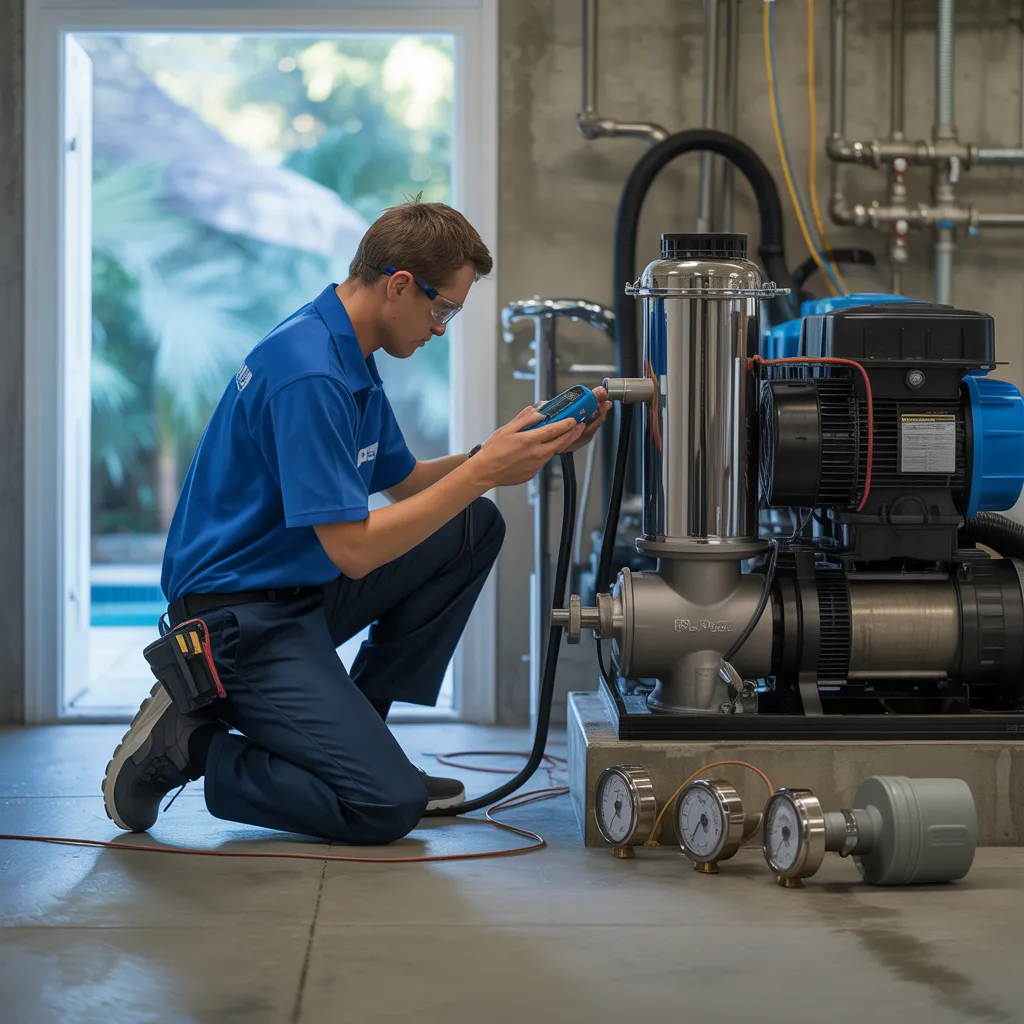
How to Care for Your Pool Like a Professional
Maintaining a pool with professionalism requires a systematic approach to maintain hygiene and performance. Regularly evaluating water levels is essential, as they should be kept at optimal levels for adequate filtration and flow. Skimming the surface daily helps remove debris, while scrubbing the walls and floor on a weekly basis stops algae from accumulating. Moreover, regularly vacuuming the pool is necessary to achieve a comprehensive clean.
Regular inspections of the filtration system are necessary to ensure optimal performance. Filters should be cleaned or replaced as needed, and the pump should function efficiently. Keeping the pool deck clear of clutter and debris also enhances general upkeep.
Inspecting the pool's overall physical condition, covering liners and tiles, facilitates swift corrective action. Routine upkeep schedules not only boost the pool's overall lifespan but also create a safe and inviting atmosphere for those who use it. Prioritizing these habits will assist pool owners in manage their investment with care.
Pool Chemicals Basics: Uses and Guidelines
Grasping pool chemicals is essential for sustaining a healthy and safe pool environment. This section will outline the essential chemicals required for pool maintenance and provide guidelines for their safe handling. Adequate knowledge and appropriate practices can guarantee efficient application while limiting potential dangers.
Fundamental Pool Chemicals
With regard to maintaining a pool that is clean and safe for swimmers, critical pool chemicals have a significant impact. Chlorine remains the most widely utilized sanitizer, efficiently eliminating bacteria and preventing algae growth. pH adjusters, including sodium bicarbonate and muriatic acid, work to sustain proper water chemistry, guaranteeing swimmer comfort and equipment longevity. Algaecides are used to inhibit algae growth, while clarifying agents boost water transparency by grouping particles for simpler filtration. Furthermore, shock treatments are applied on a regular basis to remove organic contaminants and renew water quality. Consistent monitoring of chemical levels is essential for maintaining a well-balanced environment. Careful administration of these critical pool chemicals not only keeps swimmers safe but also maximizes the longevity of the pool and its equipment.
Safety Handling Guidelines
Handling pool chemicals appropriately is fundamental to ensuring safety and efficiency. Individuals should always review labels thoroughly to comprehend the particular handling and storage guidelines. It is vital to wear appropriate protective gear, such as gloves and goggles, to minimize exposure to harmful substances. Pool chemicals must be kept in a cool, dry location, shielded from direct sunlight and inaccessible to children and pets. The mixing of chemicals is especially hazardous; users should avoid combining different types without professional consultation. Should spills or accidents happen, maintaining an emergency kit nearby can significantly lessen associated risks. Ongoing education on chemical safety for all pool maintenance personnel is recommended to foster a secure working atmosphere.
Tips for Keeping Your Pool Water Sparkling Clear
Keeping your pool water perfectly clear demands a consistent testing schedule and a proper chemical balance. Regularly evaluating the pool water's pH and chlorine readings confirms that imbalances are corrected without delay. By committing to these methods, pool owners can maintain a refreshing and hygienic swimming space.
Scheduled Testing Routine
To maintain sparkling clean pool water, a regular testing schedule is essential. During the swimming season, pool owners should test their water a minimum of once per week. This testing typically involves checking pH levels, chlorine concentration, and alkalinity. Using a testing kit, individuals can quickly determine if the water is balanced or if corrective actions are needed. Following a steady testing schedule allows pool owners to catch potential concerns such as algae growth or water cloudiness before they escalate. It is also recommended to details test the water following heavy rain or periods of heavy pool use, since these conditions can impact water balance. Taking a proactive stance ensures a safe and welcoming pool experience for every swimmer.
Appropriate Chemical Balance
Having set up a consistent testing schedule, recognizing the value of maintaining proper chemical balance is vital for pool upkeep. Maintaining the correct levels of pH, alkalinity, and chlorine guarantees that the pool water remains safe and enjoyable for swimmers. The pH level should typically range between 7.2 and 7.8; levels outside this range can lead to irritation and equipment damage. Alkalinity serves as a buffer that stabilizes pH levels and should be maintained between 80-120 ppm. Chlorine is essential for sanitizing the water, and its levels should ideally remain between 1-3 ppm. Consistently balancing these chemicals not only maintains crystal clear water but also extends the lifespan of the pool and its equipment, delivering a superior swimming experience.
Essential Pool Maintenance Tasks You Shouldn't Skip
A well-maintained pool not only enhances the aesthetic appeal of a backyard but also guarantees a safe and enjoyable swimming experience. Consistent upkeep tasks are vital to keeping the pool in top-notch condition. Removing leaves and debris by skimming the surface each day prevents them from sinking and triggering algae development. Vacuuming the pool weekly helps maintain cleanliness and clarity, while brushing the walls and tile surfaces prevents the buildup of dirt and grime.
Inspecting and clearing the skimmer and pump baskets regularly is essential for optimal circulation and water purification. Maintaining the water level is equally important, as reduced levels can cause pump damage. Additionally, inspecting and backwashing the filter as needed supports efficient operation. Lastly, testing and regulating the chemical balance, including pH levels and chlorine content, is fundamental for swimmer safety. Neglecting these tasks can lead to larger issues, making regular upkeep a requirement for pool owners.
Fixing Common Pool Water Issues
Resolving frequent pool water problems is crucial for sustaining a proper swimming experience. A common concern is murky water, often caused by unbalanced chemical composition or poor water filtration. To address this, testing the water chemistry and balancing pH, alkalinity, and sanitizer levels is necessary.
Another issue is algae formation, which can thrive in warm, poorly sanitized water. Frequently applying chlorine shock treatments to the pool and scrubbing the pool walls can aid in eliminating algae growth.
Hard water may cause scaling issues and cloudiness; using a water softener or sequestering agent can mitigate this.
Additionally, increased chlorine amounts can result in skin sensitivity and unpleasant smells. Diluting the pool with fresh water and allowing it to circulate can assist in restoring chlorine to safe levels.
Seasonal Pool Care: Your Year-Round Guide
Maintaining pool water quality is just one aspect of effective pool management. Seasonal maintenance is essential for ensuring the durability and performance of a pool. As spring arrives, detailed cleaning efforts, including debris removal and equipment inspection, lay the groundwork for a enjoyable summer season. Consistently monitoring water chemistry throughout the warmer months aids in preventing algae development and preserving water clarity.
As autumn approaches, leaves and organic debris increase significantly, making frequent skimming and vacuuming essential. Furthermore, winterizing the pool is essential, requiring the lowering of the water level, adding antifreeze, and placing a protective cover over the pool to guard against harsh winter weather.
Throughout the winter months, routine examinations of the cover and equipment guarantee all components stay in proper working order. Come spring, pool owners can confidently reopen, after completing a thorough seasonal maintenance routine. By adhering to these seasonal guidelines, pool owners can enjoy a safe, clean, and inviting swimming environment year-round.
Common Questions and Answers
How Frequently Should I Replace My Pool Filter?
Pool filters should typically be replaced every 1 to 5 years, based on the type and frequency of use. Regular inspections can help determine the right time, ensuring ideal water quality and system efficiency throughout the swimming season.
What Are the Indicators of a Failing Pool Pump?
Warning signs of a deteriorating pool pump consist of unusual noises, reduced water circulation, constant circuit breaker interruptions, moisture around the pump, and elevated power consumption. Tackling these concerns immediately can minimize additional harm.
Can I Swim Immediately After Adding Chemicals?
It is generally not recommended to swim immediately after adding chemicals. Waiting several hours or until chemical levels stabilize is strongly recommended, to ensure safe swimming conditions and avoid potential skin or respiratory irritation.
What Is the Proper Way to Winterize My Pool?
When winterizing a pool correctly, one should clean the pool, reduce the water level, add winter chemicals, cover it securely, and guarantee all equipment is drained and stored appropriately to protect against damage during the winter months.
What Should I Do if My Pool Is Leaking?
When a pool develops a leak, the owner should first identify the leak's source, and then repair any noticeable cracks or openings. If necessary, working with a qualified expert provides a durable solution and safeguards against future issues.